

Medicare vs. Medicaid Dental Coverage: In-Depth Reviews & Comparisons
Let’s face it: dental health is important for one’s wellbeing, but the massive treatment cost is often a hurdle for most low-income families. But what about Medicare or Medicaid Coverage? Don’t these state-regulated programs provide dental coverage? Or if they do, what’s the limit? If you have these questions in […]

By Adnan Nazir
Let’s face it: dental health is important for one’s wellbeing, but the massive treatment cost is often a hurdle for most low-income families. But what about Medicare or Medicaid Coverage? Don’t these state-regulated programs provide dental coverage? Or if they do, what’s the limit? If you have these questions in your mind, read along as we tell you about the comparison of Medicare vs. Medicaid dental coverage.
Medicare vs. Medicaid Dental Coverage
As of 2021, over 63 million and 83 million Americans were enrolled either in Medicare or Medicaid. But are these enrollees getting any dental coverage? Let’s find out.
Medicare Dental Coverage
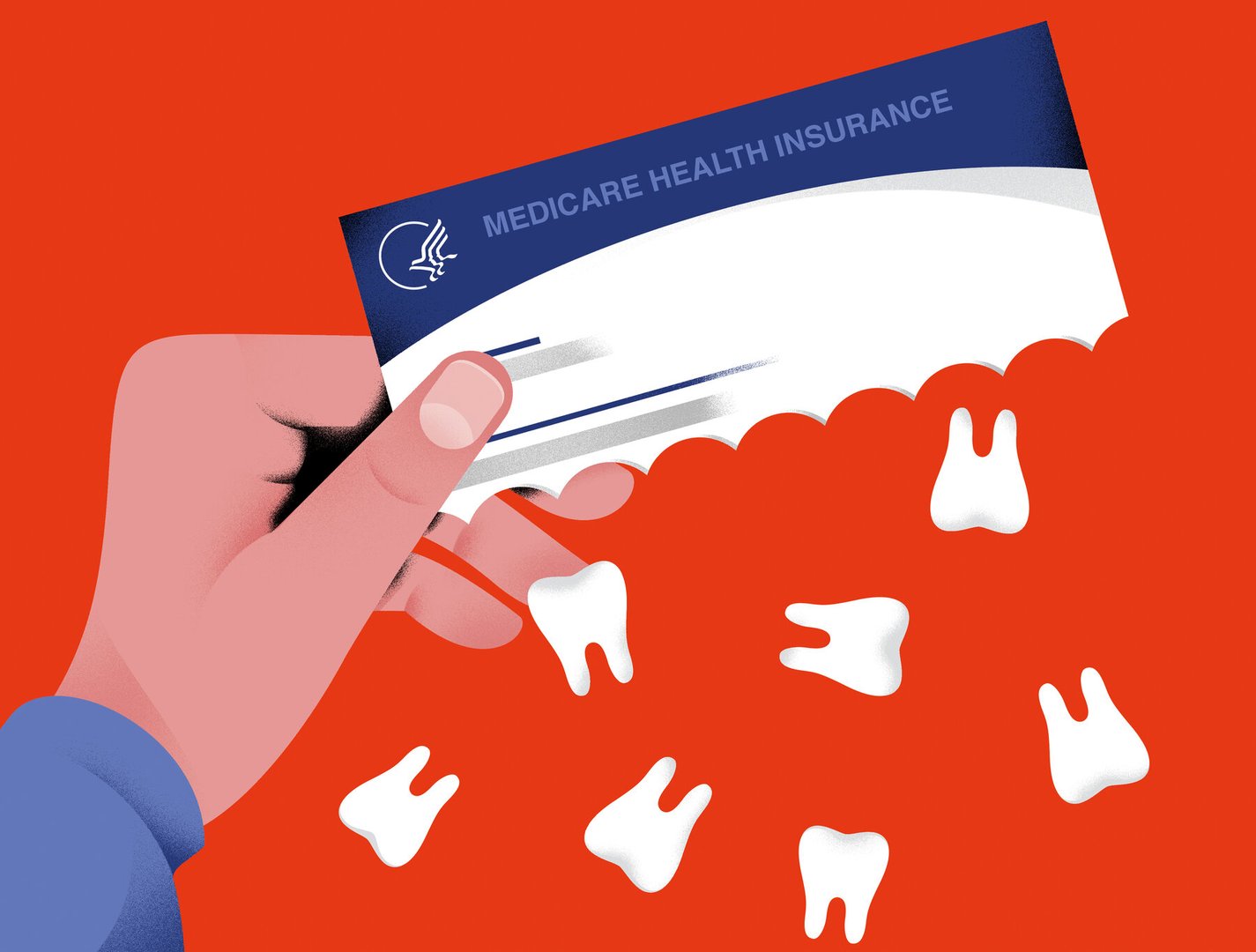
Medicare Part A and Part B form the traditional Original Medicare and cover outpatient and inpatient services. However, Original Medicare, according to law, doesn’t provide coverage for dental care services, including denture, extraction, cleanings, fillings, or dental plates.
The coverage is minimal, and it’s often a dream for most enrollees to get a dental checkup. In case of hospitalization treatment under Medicare part A, you may get dental coverage in the following rare cases:
- If you face an accident and require jaw treatment
- You may receive teeth extraction treatment if you’re undergoing neoplastic jaw surgery.
That’s just it, and it doesn’t even include standard dental coverage.
Medicaid Dental Coverage
Medicaid is another state and federal program providing health insurance coverage to low-income families for free or at a meager cost. Fortunately, it covers dental care only for children under 21. Hence, if you’re under twenty-one, the program will pay in full for the following services:
- Screenings
- Infections
- Restoration
- Dental care for pain relief
In addition, you even get coverage for preventive services such as sealants, crowns, pulp therapy, and orthodontic treatments. In short, it’s a complete package only if you’re under 21. On the other hand, there is no such comprehensive coverage for adults, and even if there is, it varies according to state.
Other Plans Providing Dental Coverage
That was all about Medicare vs. Medicaid dental coverage. Let’s see how Medicare advantage plans (Part C) can help you with dental coverage. Simply put, Part C plans are consolidated in place of Original Medicare, often providing additional benefits such as prescription medication coverage (Part D), dental, and vision.
These plans cover everything a basic Medicare offers and often provide additional coverage. However, numerous type C plans vary in terms of additional coverage options. Since you get comprehensive coverage with a Type C, you may have to pay high premiums, which may not be avoidable unless the Medicare hold harmless provision applies here. What’s more?
With a Type C plan, you may even have the option to get a Medicare savings account. Isn’t that great?
On the other hand, there are supplement plans that pay for additional copays, coinsurance, and deductibles. Remember, today’s supplement plans usually don’t have or cover dental benefits.
Conclusion
After comparing Medicare vs. Medicaid dental coverage, it’s clear that both state programs offer little to no dental coverage. So, if you’re looking for a plan with comprehensive dental coverages, get quotes from top lenders at New Medicare and accept Medicare plans which suit your needs.
Reach out today!