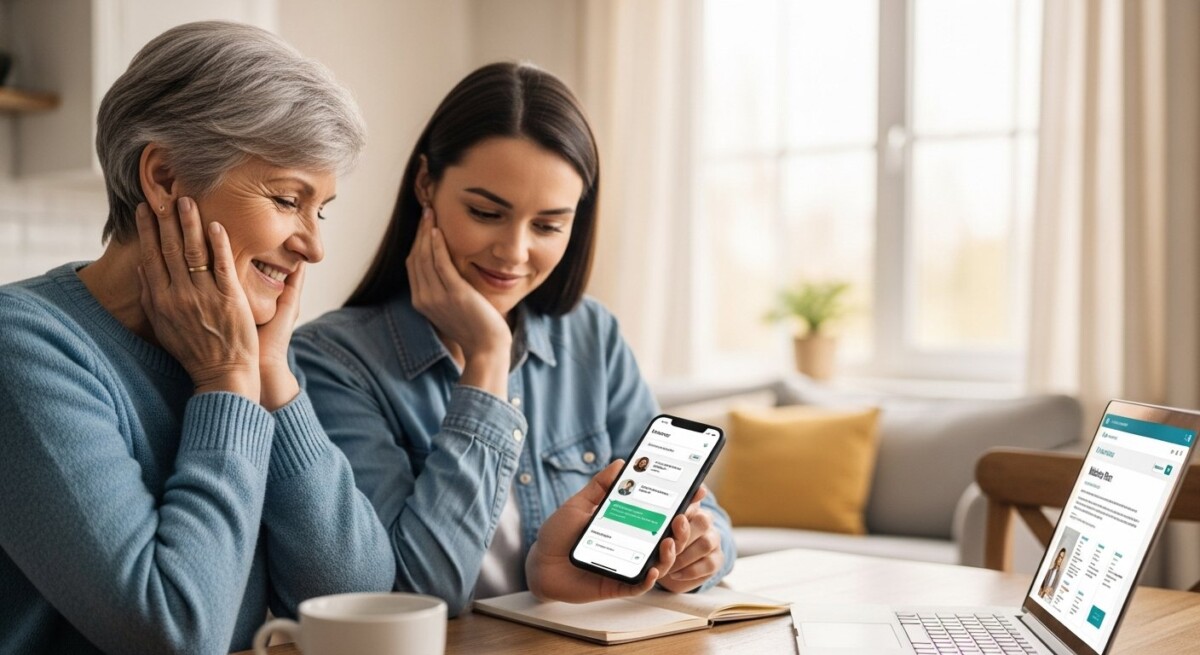
Every second a Medicare prospect spends waiting for a response is a second your competitor might close that lead. In the fast-paced world of Medicare enrollment, timing is everything. Medicare lead chatbots for conversion have emerged as a powerful tool to capture, qualify, and engage prospects at the exact moment they are searching for coverage. These AI-driven assistants work around the clock, ensuring no lead slips through the cracks. For agents and agencies looking to maximize their return on lead investment, integrating a chatbot into the lead management workflow is no longer optional, it is a strategic necessity.
Chatbots bridge the gap between initial interest and meaningful conversation. When a senior or their family member lands on your website after searching for Medicare Advantage or Supplement plans, they want immediate answers. A chatbot can greet them, ask qualifying questions, and schedule a call with a licensed agent within seconds. This instant engagement dramatically improves the likelihood of conversion. In fact, studies show that leads contacted within five minutes are nine times more likely to convert. Medicare lead chatbots for conversion make that five-minute window achievable every single time.
Why Chatbots Are Essential for Medicare Lead Conversion
The Medicare market is unique. Prospects are often overwhelmed by plan options, enrollment windows, and complex terminology. They need guidance, not just a form to fill out. Traditional lead capture methods like static landing pages or email follow-ups leave too much to chance. A chatbot, by contrast, creates a two-way dialogue that builds trust and moves the prospect toward a decision. This is especially critical during Annual Enrollment Period (AEP) and Open Enrollment Period (OEP) when competition is fierce and lead volume spikes.
Chatbots also excel at lead qualification. They can ask pre-screened questions about age, current coverage, budget, and health conditions. This data helps agents prioritize high-intent leads and tailor their sales approach. Instead of wasting time on unqualified prospects, agents can focus on those ready to enroll. The result is a more efficient sales process and higher close rates. For a deeper look at how to structure your entire lead pipeline, read our guide on building a Medicare leads conversion funnel that works.
Key Features of High-Converting Medicare Chatbots
Not all chatbots are created equal. To truly drive conversions, a Medicare chatbot must include specific features tailored to the insurance landscape. Here are the essential elements every agent should look for when choosing a chatbot solution:
- Compliance-First Scripting: CMS regulations are strict. The chatbot must avoid making plan comparisons, quoting premiums, or suggesting specific carriers without proper disclaimers. Scripts should be pre-approved and regularly updated.
- Live Transfer Capability: When a prospect shows high intent, the chatbot should seamlessly transfer the conversation to a live agent via voice or text. This prevents frustration and keeps the lead warm.
- Multi-Channel Integration: The chatbot should work on your website, Facebook Messenger, SMS, and even landing pages. Prospects have different preferences, so meeting them where they are is vital.
- Lead Scoring and CRM Sync: The chatbot should automatically score leads based on engagement and demographic data, then push that information directly into your CRM for immediate follow-up.
- Appointment Scheduling: Integrating a calendar tool allows the chatbot to book agent consultations directly, reducing back-and-forth emails and phone tag.
Each of these features contributes to a smoother user experience. When a prospect feels understood and guided, they are far more likely to provide their contact information and agree to a conversation. The chatbot becomes a digital sales assistant, handling the repetitive parts of the process so agents can focus on closing.
How Chatbots Improve Lead Quality and Agent Efficiency
One of the biggest challenges agents face is lead quality. Many leads come in with incomplete information or low purchase intent. Chatbots solve this by engaging prospects in real time and gathering detailed data before the lead ever reaches your inbox. For example, a chatbot can ask: “Are you turning 65 soon?” or “Do you have a preferred budget for your monthly premium?” The answers allow you to segment leads instantly.
This pre-qualification saves agents hours of phone time. Instead of calling every lead that comes in, agents can focus on those who have already expressed specific needs and readiness to enroll. The chatbot also reduces no-shows for scheduled calls by sending automated reminders. Over time, this system creates a predictable flow of high-quality appointments. To see how different states and regions affect lead quality, check out our strategic guide to Medicare lead packages by state.
Integrating Chatbots with Your Lead Generation Strategy
Chatbots do not replace your existing lead generation efforts. They enhance them. Whether you purchase leads from a marketplace like MedicareLeads.com or generate your own through Facebook ads and SEO, the chatbot acts as the first point of contact. It can handle high volumes without fatigue, ensuring every lead gets an immediate response. This is particularly valuable during winter enrollment periods when interest spikes.
For agents who use both exclusive and shared leads, chatbots can help differentiate your follow-up. An exclusive lead that interacts with your chatbot and schedules a call is far more valuable than a shared lead that receives a generic email. The chatbot builds rapport on your behalf, making the prospect feel valued before they ever speak to a human. This human-plus-machine approach is the future of Medicare sales. Learn how to prepare for seasonal surges in our article on how to generate Medicare leads for winter enrollment.
Overcoming Common Objections to Chatbot Adoption
Some agents worry that chatbots feel impersonal or that seniors will not engage with them. The data says otherwise. Today’s seniors are increasingly tech-savvy. Many use smartphones, tablets, and messaging apps daily. A well-designed chatbot with simple language, large buttons, and a friendly tone resonates well with older users. In fact, seniors appreciate the ability to get quick answers without waiting on hold.
Another concern is cost. While some chatbot platforms require upfront investment, the ROI is clear. If a chatbot helps you convert just two or three additional leads per month, it pays for itself. Many platforms offer tiered pricing, so even solo agents can afford a basic version. The key is to start small, test the chatbot’s performance, and scale up as you see results. Remember, every lead that slips away is lost revenue. A chatbot is insurance against that loss.
Measuring Chatbot Performance and Conversion Impact
To know if your chatbot is working, you must track the right metrics. Start with engagement rate: what percentage of website visitors interact with the chatbot? Next, look at qualification rate: how many of those interactions produce a qualified lead? Finally, measure conversion rate: how many chatbot-sourced leads eventually enroll in a plan?
Agents should also monitor average response time and user satisfaction scores. If the chatbot is too slow or gives irrelevant answers, prospects will leave. Regular A/B testing of scripts and conversation flows can improve performance over time. Many chatbot platforms provide analytics dashboards that make this easy. Use that data to refine your approach and maximize the tool’s impact on your bottom line.
Frequently Asked Questions
Are Medicare chatbots compliant with CMS guidelines?
Yes, when properly configured. The chatbot must avoid making plan recommendations, quoting premiums, or collecting health information without proper authorization. Work with a platform that understands Medicare compliance and offers customizable scripts.
Can a chatbot replace a live agent entirely?
No. Chatbots are designed to handle initial engagement, qualification, and scheduling. The actual enrollment conversation requires a licensed agent who can explain plan details and help the prospect choose the right coverage. Chatbots augment agents, they do not replace them.
How much does a Medicare lead chatbot cost?
Pricing varies widely. Basic plans start around $50 per month, while enterprise solutions with advanced features can cost several hundred dollars per month. Many platforms offer free trials, so you can test before committing.
Will seniors actually use a chatbot?
Yes. Research shows that seniors are increasingly comfortable with messaging interfaces, especially when the chatbot uses simple language and offers clear options. A well-designed chatbot can be more approachable than a phone call for many older adults.
How quickly can I set up a chatbot for my agency?
Most platforms offer plug-and-play setups that can be live within a few hours. Custom scripting and integration with your CRM may take a few days. Start with a simple version and iterate based on feedback.
Medicare lead chatbots for conversion represent a smart investment for any agent serious about growth. They provide instant engagement, improve lead quality, and free up agent time for high-value conversations. In a competitive market where every second counts, a chatbot ensures you never miss an opportunity. Start exploring chatbot options today, and watch your conversion rates climb.